
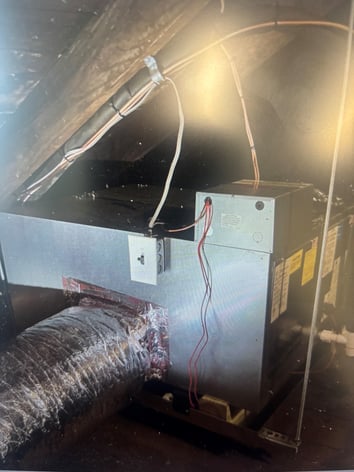
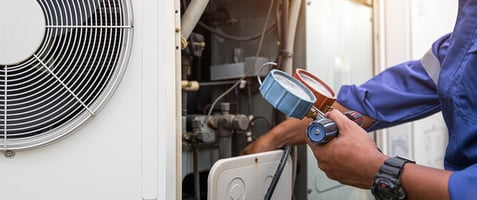
In the modern home, HVAC (heating, ventilation, and air conditioning) systems play a crucial role...
Planning an HVAC Upgrade? Check Your Electrical System First
Upgrading your HVAC system should improve comfort, efficiency, and peace of mind. But in many DC-area homes, these upgrades falter because the electrical system wasn’t checked first.
Wilcox Electric regularly hears from homeowners who want to invest in a new HVAC system, only to discover during installation that their home’s electrical service can’t safely support it. The result? Delays, added costs, and frustration that could have been avoided with a simple electrical evaluation upfront.
This article explains why HVAC replacements are often electrical projects, how DC homes complicate modern installations, and how checking capacity before you buy can save time, money, and stress.
Why HVAC Upgrades Are Electrical Projects
HVAC upgrades are frequently treated as mechanical swaps, but in many cases, they’re electrical projects first.
They rely on electrical systems for safe operation. Modern HVAC systems demand higher and more consistent electrical capacity than many older homes can provide. In fact, many newer systems fall under the category of electric HVAC, or at least require much higher amperage than systems installed decades ago.
As appliance technology has advanced, electrical demand has increased — but many DC homes are still operating on infrastructure that wasn’t designed to handle it.
Why Older DC Homes Struggle with Modern HVAC Installations
Washington, DC, has one of the oldest housing stocks in the country. Homes built 50, 80, or even 100 years ago were never designed for today’s electrical loads.
Common limitations Wilcox sees include:
- Limited service amperage (ie, limited spare capacity)
- Electrical panels with no available breaker space
- Multiple generations of electrical upgrades layered together
When these limitations surface, homeowners often discover that the true HVAC installation cost is higher than expected — not because of the system itself, but because the electrical foundation wasn’t ready.
The Costly Mistake: Buying First, Checking Later
The scenario looks like this:
- A homeowner selects a new HVAC system
- The unit is delivered
- The HVAC installer begins work
- Electrical limitations are discovered mid-project
At that point, the homeowner may need:
- A panel upgrade
- A heavy-up to increase service amperage
- New dedicated circuits
- Coordination with the utility company
Suddenly, the cost to install an HVAC system increases — because no one evaluated the home’s electrical capacity before the purchase.
What Electrical Capacity Has to Do with HVAC Installation Cost
Many homeowners assume HVAC installation cost includes everything required to make the system work. In reality, HVAC installers focus on mechanical performance — sizing, airflow, ducting, and efficiency.
Electricians focus on:
- Load calculations
- Panel capacity
- Code compliance
- Safety and reliability
When electrical readiness is addressed late, upgrades become reactive instead of planned — and reactive work is almost always inconvenient and sometimes several thousand dollars more costly.
A short electrical assessment before purchase helps homeowners understand:
- What upgrades are required
- What’s optional
- What’s simply not feasible without major work
Why Calling an Electrician Before Your HVAC Installer Matters
An HVAC installer focuses on:
- Equipment performance
- Comfort and efficiency
- Mechanical installation
An electrician ensures:
- The electrical system can support the equipment
- Circuits are sized correctly
- Panels and service meet code
- Power delivery is safe and reliable
By involving Wilcox Electric before selecting equipment, homeowners can plan and budget properly for this significant investment in their home.
How Wilcox Electric Helps Homeowners Plan Ahead
Wilcox Electric specializes in evaluating existing homes and helping homeowners understand what their electrical systems can realistically support.
A pre-purchase evaluation may include:
- Reviewing available panel space
- Assessing service amperage
- Identifying required dedicated circuits
- Explaining upgrade options and costs clearly
The goal isn’t to sell unnecessary work — it’s to help homeowners make informed decisions before committing to major purchases.
Electric HVAC Systems and the Future of DC Homes
As electric HVAC systems become more common, especially in efficiency-focused upgrades, many DC homeowners discover their electrical infrastructure hasn’t kept pace. This isn’t unusual in older homes — but it does require attention.
When to Call Wilcox Electric
It’s smart to contact an electrician before purchasing:
- A new HVAC system
- An electric range
- An Electric Vehicle and EV charger
- A hot tub
- A generator
- Any high-demand appliance that requires significant electrical power
This is especially important if:
- Your home is more than 50 years old
- Your panel has never been upgraded
- You know or suspect that your panel is already near capacity
Final Takeaway
Modern HVAC systems and appliances aren’t the problem — lack of electrical planning is.
Electrical planning protects more than your budget — it protects the success of the entire upgrade. By checking capacity before you buy, homeowners avoid delays and ensure their systems operate safely and reliably.
Wilcox Electric brings decades of experience helping DC homeowners plan HVAC and appliance upgrades with clarity and confidence. A quick conversation early in the process can make all the difference later.
Schedule an Electrical Capacity Check