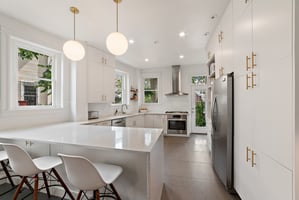

Lighting has become an essential aspect of everyday living. Architects and contractors now consider...
Flickering lights is one of the most common electrical issues in Washington, DC. If you live in an older home in Washington, DC — especially in any neighborhood filled with 80–120-year-old rowhomes — you’ve probably experienced flickering lights at some point.
In fact, Wilcox Electric receives one to two service calls every week from homeowners wondering, “Why are my lights flickering?”
The good news? Flickering lights aren’t always dangerous. But in older homes, they can sometimes be an early warning sign of a deeper issue. This guide breaks down the most common causes of lights flickering in the house and how electricians diagnose and fix the problem.
Why Are My Lights Flickering? The DC Home Factor
DC’s housing stock is famously old — and full of character. But that charm comes with electrical systems that have been upgraded and patched together over several generations.
Multiple eras of wiring, buried junction boxes, old dimmers, and shared circuits mean that flickering lights are both common and confusing. Homeowners often ignore the issue at first, assuming it’s “just an old house thing,” but flickering may be your electrical system asking for attention.
1. Mismatched Devices: The Most Common Reason LED Lights Flicker
By far, the number-one cause of LED lights flickering in DC homes is simple:
An LED bulb paired with an incompatible dimmer switch, one that wasn’t designed for LEDs.
Older dimmers were built for incandescent bulbs, which draw far more power than LEDs. When you install an LED on one of these dimmers, you may see:
- Shimmering
- Pulsing
- Inconsistent or jerky dimming
- Random flickering
In fact, about half of all calls Wilcox receives about flickering turn out to be this exact issue.
How to Fix Flickering LED Lights (The Easy Way)
An electrician can check whether your dimmer is LED compatible. If it’s not, replacing it with a modern dimmer usually solves the problem immediately.
2. Loose Connections in Fixtures, Switches, or Junction Boxes
If the flickering isn’t dimmer-related, a loose connection could be the next most likely culprit.
Loose connections can happen:
- Inside the light fixture
- At the switch
- Inside the junction box
- In the circuit wiring
- At the circuit breaker in the electrical panel
Loose connections are never harmless — they can lead to arcing, heat buildup, and fire risk. Because the symptoms overlap, a trained electrician needs to determine which one you’re dealing with.
Signs this may be your issue:
- Flickering that gets worse over time
- Lights that flicker when a switch plate is touched
- Lights that flicker in one room but not others
3. Voltage Fluctuations or Pepco-Related Problems
Sometimes the problem starts outside the home, especially in older neighborhoods with aging utility infrastructure.
Common utility-side causes include:
- A failing or loose connection on Pepco’s service line
- Issues with the smart meter
- Voltage inconsistency coming into the home
Because Wilcox Electric is a Pepco-approved contractor, we can open the meter can, perform a visual inspection, and verify proper voltage on both sides of the meter. If we believe the issue is on Pepco’s end, the electrician will advise you to contact the utility for repair.
4. Failing or Aging Light Fixtures
Older fixtures can flicker due to:
- Worn sockets
- Failing ballasts
- Loose internal wiring
- Old transformers or drivers (in LEDs)
Fixture-related flickering typically affects a single room or single light. If you’ve replaced bulbs repeatedly but the problem persists, the fixture itself may be nearing the end of its life.
5. Normal Appliance Interference on Old Circuits
Not all flickering is a problem.
If your lights dim briefly when you use:
- The microwave
- A vacuum
- A blender
- A space heater
…that’s typically because older homes often have shared circuits that were never designed for modern appliances.
A momentary dip isn’t dangerous — but if it’s happening more frequently or across multiple rooms, an electrician can add a dedicated circuit to help balance the load. However, when appliances start, there is a sudden rush of current, which will always cause lights to flicker momentarily. It is not always noticeable, but the rush of current when you turn on the blender briefly affects other devices on the same circuit. A problem only occurs if the lights don’t return to normal.
6. Circuit or Panel Issues (Sometimes Serious)
While flickering lights aren’t usually tied to a specific panel brand, older or overloaded panels can contribute to instability.
Signs the panel may be involved:
- Flickering across multiple rooms
- Breakers running warm
- Buzzing or humming
- Discolored breakers
If panel or circuit wiring is the cause, an electrician will sometimes recommend repairs, rewiring, or a panel upgrade, depending on the age and condition of the system.
When Flickering Lights Are a Warning Sign
Most flickering is benign — but some symptoms should never be ignored:
- Flickering that impacts multiple rooms
- Flickering paired with buzzing or burning smells
- Lights that brighten unexpectedly
- Breakers frequently tripping
- Lights flickering even after replacing bulbs and dimmers
These are indicators of potential loose neutral issues or panel problems that require immediate professional attention.
How Electricians Diagnose and Fix Flickering Lights
Wilcox uses a clear and methodical approach to find the root cause.
Step 1: Ask About Changes
The first question is always:
“Did you recently replace bulbs or dimmers?”
Half the time, this resolves the entire issue.
Step 2: Test Connections
Electricians check for loose components at:
- Fixtures
- Switches
- Junction boxes
- Breakers
- Panel connections
Step 3: Evaluate the Circuit and Load
They determine whether appliances or shared circuits are causing momentary flicker.
Step 4: Review Panel Conditions
They check for:
- Overloads
- Loose breakers
- Signs of heat
- Aging components
Step 5: Identify or Rule Out Pepco Issues
Because Wilcox is a Pepco-approved contractor, we can open the meter can, visually inspect the equipment, and determine whether or not the problem is on the utility side.
Simple Things Homeowners Can Try First
Before scheduling service, try these quick checks:
- Confirm the dimmer is LED-compatible
- Tighten the bulb
- Test a different LED brand
- Notice if flickering corresponds to large appliance use
If none of these help, it’s time to call a licensed electrician.
Why Flickering Is So Common in DC Homes
Older DC homes often contain:
- Multiple generations of wiring
- Buried junction boxes
- Older dimmers
- Mixed repairs from past owners
- Shared circuits
- Aging Pepco infrastructure
Combining old architecture with modern electrical loads creates the perfect environment for flickering lights.
Hiring a contractor familiar with the DC grid, Pepco processes, and historic housing stock ensures problems get resolved efficiently — and safely.
When to Call an Electrician
Call a professional if:
- Flickering affects multiple rooms
- Flickering continues after replacing bulbs or dimmers
- Flicker occurs with warm or buzzing breakers
- Lights brighten unexpectedly
- You notice burning smells or discoloration
- Flicker seems random or gets progressively worse
Flickering Lights? Contact Wilcox Electric Today
Flickering lights in older DC-area homes are extremely common — but the causes vary from simple fixes to serious problems. Whether it’s mismatched devices, loose connections, overloaded circuits, or utility-side issues, the safest approach is to understand the signs and act when something feels off.
Wilcox Electric has decades of experience working inside the unique electrical systems of DC’s historic homes and buildings. Whether your flicker is harmless or an early warning sign, they’ll help you diagnose the issue and fix it the right way.